

Photo by Ben Chun, CC BY-SA 2.0 , via Wikimedia Commons
Thinking about turning your shed into a tiny house? With house prices going up and people looking for smart ways to live, making a cozy home out of a simple shed is becoming a popular idea. It's a smart move if you're looking for more room or a special spot to call your own. This change can turn an ordinary backyard shed into a comfy house for:
- Tiny House: Transform it into a small but complete living space.
- Airbnb Rental: Rent it out for extra income.
- Home Office: Create a private, peaceful workspace away from the main house.
- Guest House: Have a separate place for your guests to stay.
- Artist’s Studio: Develop a creative zone with ample light for painting, drawing, or crafting.
- She Shed: Design a space that is tailored to your needs, whether it's for reading, gardening or just relaxing.
Can You Legally Turn A Shed Into A House
Can You Legally Turn A Shed Into A House

Converting a shed into a living space is possible, but whether you can legally live in it depends on local zoning and building codes, which differ widely from one area to another. Therefore, it's essential to check with your local zoning office or municipal planning department.
Permit Process
Getting a permit for a shed is usually easy, especially if it's for recreational use or storage. However, adding electricity, plumbing, and heating complicates the process due to strict safety and habitability standards.
Meeting Legal and Safety Standards
To legally live in a shed, it must meet local building codes, including structural integrity, insulation, and utility access (water, electricity, sewage). Even if the shed is on your own property, converting your own shed into a residence requires planning permission to ensure it meets health, safety, and welfare standards, including air quality, drainage, power, and emergency exits.
Penalty for living in a Shed
The penalty for living in a shed without the necessary permits and approvals can include fines, fees, or eviction. Moreover, residing in an unpermitted structure could also pose challenges when trying to sell your property in the future.
Planning Your Shed Conversion
Planning Your Shed Conversion
Set the Layout and Budget
Set the Layout and Budget
When planning your tiny house, focus on designing it just the way you want and setting aside the right amount of money. Imagine your perfect tiny house shed, then carefully plan your budget to turn your dream into a reality.

- Size: How much square footage do you need for your desired use?
- Layout: Will it be an open floor plan or divided into separate rooms?
- Amenities: Do you want to include a bathroom, kitchen, or sleeping area?
- Storage: How will you incorporate storage space into the design?
- Lighting and ventilation: How can you maximize natural light and air flow in the space?
- Insulation: Will you need insulation for temperature control?
- Utilities: How will you access water, electricity, and sewage?
Foundation and Structure
Foundation and Structure
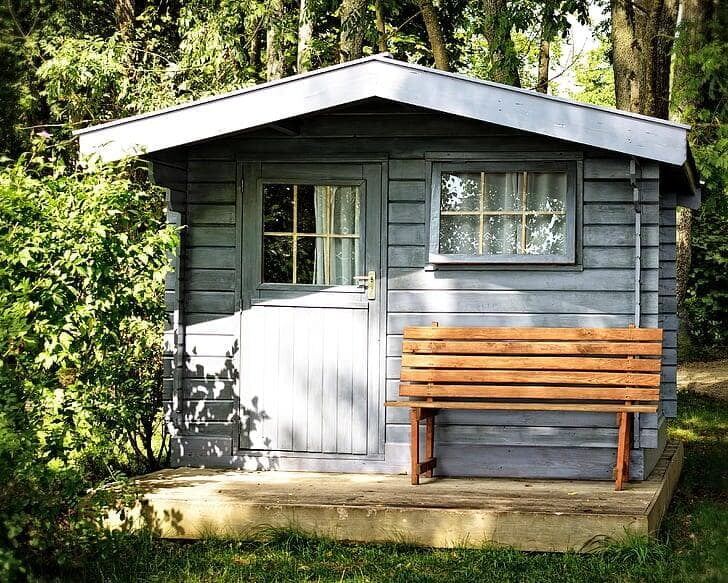
The foundation, serving as the bedrock of your shed conversion, not only ensures stability and durability for years to come but also significantly contributes to the overall structure's integrity.
Foundation
Which type of foundation—concrete slab, pier blocks, or skids—will you use for your shed conversion? When choosing a foundation, it's important to consider the local climate and soil conditions to make sure it can support the weight of the structure as well as any other features you may want to add. The durability and endurance of tiny house structures under various conditions are significantly impacted by choosing a solid foundation.
Structure
Consult with a professional builder or structural engineer to determine if your existing shed can be converted into a livable space, potentially transforming it into a cozy tiny home. If not, you may need to build a new structure or reinforce the existing one to ensure it meets safety and building codes.
Existing Framing
The conversion of a shed to a tiny home also relies on the shed's framework. Consider its kind and state, as these will determine if any modifications or additions are required to make your future home sturdy and livable.
Electrical, Plumbing, and Insulation
Electrical, Plumbing, and Insulation
Choose and Install Your Electrical System
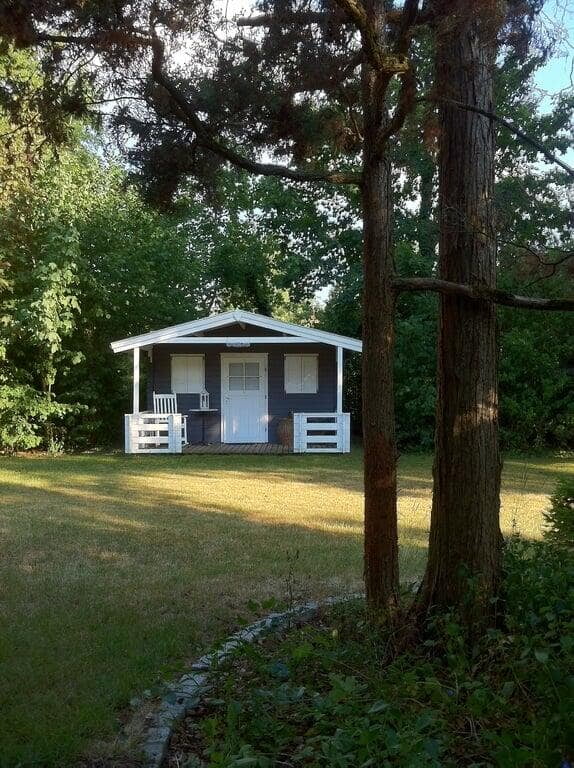
If your shed is already connected to the main grid, you may not need to do much in terms of electrical work. However, if it's not, you'll have to decide on a power source and determine how much electricity you'll need for your intended use. This could range from simply powering lights and small appliances to installing wiring for larger appliances like refrigerators and air conditioners. It's important to hire a licensed electrician for this task to ensure safety and compliance with building codes.
Plumbing and Sewage
Consult with a professional builder or structural engineer to determine if your existing shed can be converted into a livable space, potentially transforming it into a cozy tiny home. If not, you may need to build a new structure or reinforce the existing one to ensure it meets safety and building codes.
Insulation and Climate Control
To make your shed livable throughout the year, proper insulation is essential. This will help regulate temperature and keep out excess moisture.
The type of insulation to use in a shed to home conversion depends on your climate, budget, and the amount of space you have available. In colder climates, it's essential to insulate the walls and ceiling for warmth and reduced energy costs.
In warmer climates, insulation can also help keep the interior cool and reduce air conditioning costs. Consider using eco-friendly options such as natural wool or recycled denim insulation.
Design and Interior
Design and Interior
The design and interior of your shed, or tiny house project, will ultimately depend on your personal style and intended use. Whether you're creating a cozy guest house, a functional home office, or a relaxing retreat, there are endless possibilities for designing the space. Consider using repurposed materials or DIY projects to add character to your tiny house. Incorporating windows for natural light and ventilation, as well as storage solutions, can maximize space and functionality.
Practical Considerations
Practical Considerations
The design and interior of your shed, or tiny house project, will ultimately depend on your personal style and intended use. Whether you're creating a cozy guest house, a functional home office, or a relaxing retreat, there are endless possibilities for designing the space. Consider using repurposed materials or DIY projects to add character to your tiny house. Incorporating windows for natural light and ventilation, as well as storage solutions, can maximize space and functionality.
How Much Does It Cost To Convert A Shed Into A Tiny House?
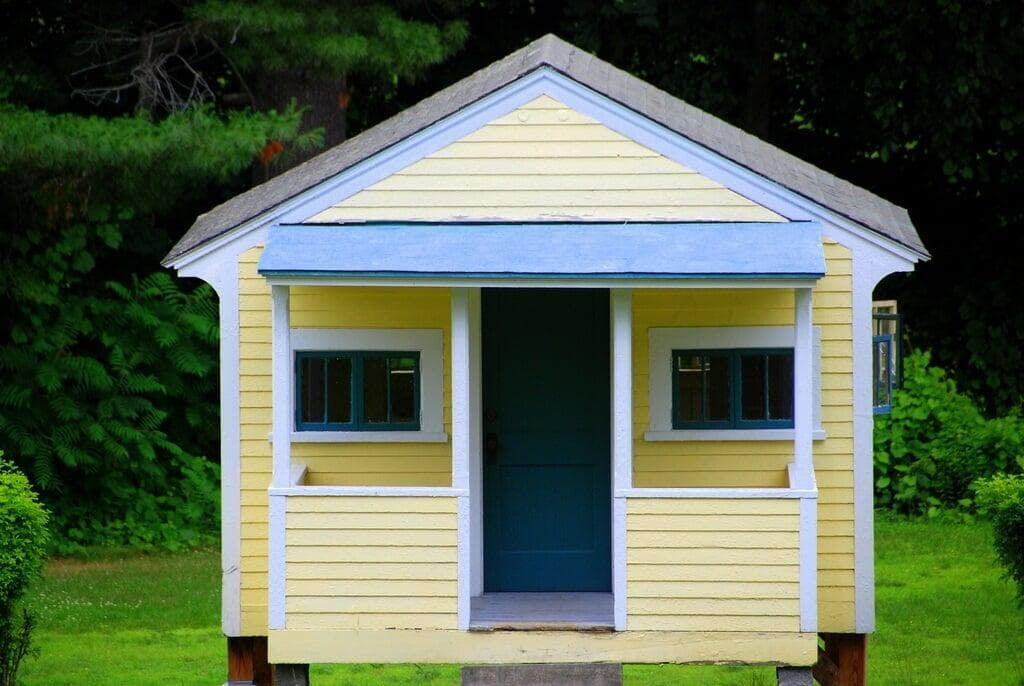
The cost of converting a shed into a tiny house will vary depending on factors such as the size, materials used, and whether you hire professionals or do it yourself. However, compared to building a traditional home from scratch, converting a shed is typically more cost-effective.
On average, the cost can range from $3,000 to $30,000. It's essential to set a budget and carefully plan out your conversion project to ensure you stay within your means.
Storage Solutions
Living in a tiny house requires some creativity when it comes to storage solutions. Take advantage of the vertical space in your shed by installing shelves or using hanging organizers. You can also utilize furniture that doubles as storage, such as ottomans or beds with built-in drawers.
Energy Efficiency
To keep your shed conversion comfortable and cost-effective, consider implementing energy-efficient solutions. This can include using LED lighting, installing solar panels, or adding insulation to the walls and ceiling. Making these eco-friendly choices not only benefits the environment but also saves you money in the long run.
Embracing Minimalist Lifestyle
Turning a simple shed into a cozy home is a lot like starting a tiny house project, requiring downsizing and embracing a more minimalist lifestyle. This can be a great opportunity to declutter and simplify your life.
Additionally, living in a smaller space can also help reduce your carbon footprint and promote sustainable living. You'll likely find that you don't need as much material possessions to live comfortably, which can save both money and space.
Owning a tiny house, whether it's a converted shed or not, allows you to have more control over your living space and lifestyle. You can customize and design your own tiny house to fit your needs and preferences, making it truly your own unique home.
FAQ
Do shed to house conversion work well in cold weather?
- With proper insulation and energy-efficient solutions, shed conversions can work well in cold weather. It's important to consult with a professional and properly plan out the heating and cooling systems for your specific climate.
What is the best insulation to use in a tiny house?
- For tiny houses, closed-cell spray foam insulation is a top pick due to its high R-value, which means great insulation with less thickness. It also acts as a vapor barrier, helping prevent moisture issues in your compact space. However, if eco-friendliness is key for you, sheep's wool insulation could be the better choice for its natural and breathable qualities, even if it doesn't insulate quite as efficiently.
Transforming a shed into a fully functional tiny house may appear unconventional, but with proper planning and care, it becomes a cost-effective and sustainable option. These tips will help you craft a cozy, functional home in your backyard. Why not explore shed living and see its impact on your lifestyle? We hope this guide inspires you to discover shed conversion's endless possibilities.