
CONTENTS
Choosing the Best Spot for Your Shed
When planning to build a shed, one of the most important choices you'll make is where to put it. Picking the wrong spot can lead to problems later on, like difficulty accessing it or an unattractive view. It's important to avoid rushing your decision, as placing your shed in an awkward spot can be frustrating.
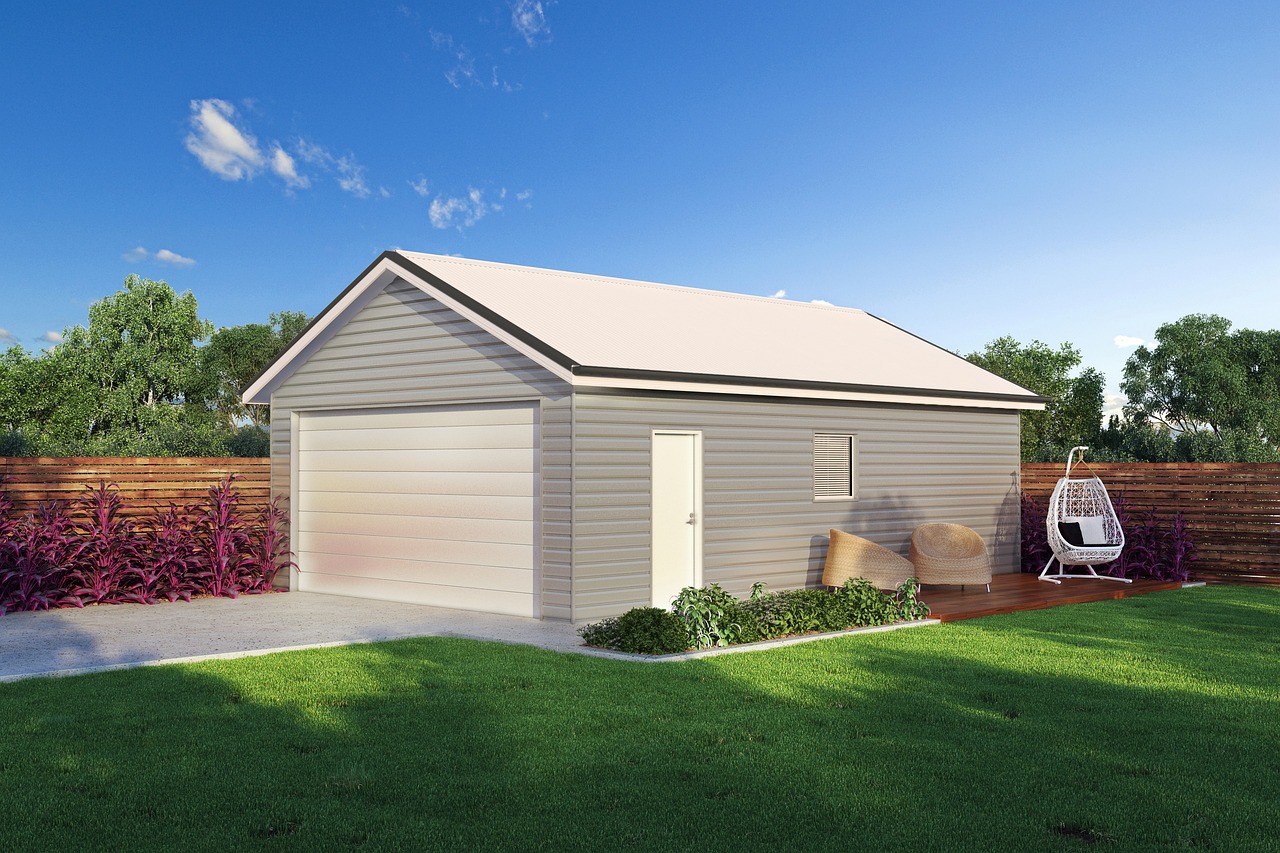
Key Considerations for Choosing a Shed Location
Key Considerations for Choosing a Shed Location
Before you start digging, it's crucial to check with your local municipal office or homeowners association for any regulations regarding shed placement. There might be specific setback requirements from property lines, septic tanks, or other structures. Setback distance requirements can vary significantly from town to town.
When deciding on a shed location, consider its primary use. If you'll be using power tools and need good lighting, place the shed near an electricity source. For a garden workspace, choose a spot with plenty of sunlight and some shelter from the elements. If the shed is mainly for storage, avoid overly hot areas to protect your items from heat damage.
Before deciding where to place your shed, it's crucial to understand the type of soil in that area. Check if the location you have chosen doesn't have water pooling on it. Also, ensure that the ground is sturdy enough to support the shed. If the soil is loose and sandy, it's not ideal for placing a shed as the sand can shift and cause instability over time. However, if you still want to place your shed in a sandy area, you need to compact the ground thoroughly. This can be done using heavy machinery or even just your hands.
The ground should be level and stable. A sloping or uneven site can cause issues with the shed's stability and door operation. If a sloping site is unavoidable, you may need to provide additional support for the shed's floor. Make sure you also take into consideration the future growth of nearby trees and plants when placing your shed as their roots could destabilize or even damage the structure over time.
Water accumulation around the shed can lead to issues like rot and structural damage. Proper drainage is crucial. On sloping ground, consider constructing a raised platform or incorporating drainage stones. Additionally, assess nearby trees for potential root interference and plan for gutter placement to divert rainwater away from the shed. This foresight saves time and money in the long run.
Think about how often you'll need to access the shed and what you'll be storing in it. It should be in a convenient location, preferably close to areas where you'll use its contents. If you store your gardening equipment in the shed, then it's a good idea to have it close to your garden so you can easily access the necessary tools. Also, take into consideration how difficult it will be to transport items in and out of the shed.
The climate of your region will invariably dictate the ideal location for your shed. If you reside in a place with considerable amounts of rain and snowfall, consider positioning your shed on higher ground to prevent potential flooding. If your area has scorching sun rays, make sure no external walls are exposed to direct sunlight during the hottest hours of the day. In addition, selecting a shady spot with good air circulation can help regulate the temperature inside the shed and keep it cool during the hottest days of summer.
Your shed should complement your existing landscape. Consider how it looks from different angles and how it blends with other structures and plants. If you want your shed to stand out, choose a color or texture that contrasts with the surrounding area.
Don't forget about your future plans for your yard. If you're considering adding other features like a pool or an extension to your house, make sure they won't interfere with your shed. Consider how it might need to move or be adjusted as you make other changes. Doing this in the beginning will save you from having to relocate your shed later on.
Locations to Avoid
There are several locations you should steer clear of when deciding on a placement for your shed.
Can I relocate my Shed after Construction?
Although relocating a shed is plausible, it can prove arduous and costly. Opting for the right site from the outset is the optimal approach. Make sure that you plan your shed placement carefully and take into account any potential changes or issues that could arise in the future.
Selecting the ideal location for your shed requires careful consideration of various factors. The decision regarding the placement of your outdoor storage structure can significantly influence your overall experience. By keeping these pointers in mind, you will be steered towards making an informed choice, allowing you to fully appreciate the advantages of possessing a purpose-built storage area that caters to your specific requirements.