
Choosing the right roofing material for your shed is an important step that can greatly influence its durability, appearance, and overall functionality. The roof doesn't just protect everything inside your shed from the weather; it also plays a significant role in defining the look and feel of the structure. In this guide, we will explore some popular shed roofing materials to assist you in making an educated choice for your shed roof.
Different Types of Shed Roofing Materials
Asphalt Shingles
Asphalt Shingles

Asphalt shingles stand out as a favored option for shed roofing materials because of their cost-effectiveness and simple installation. With a range of colors and styles available, you can personalize your shed's appearance. While they may not match the durability of some roofing materials and could need extra upkeep, if you seek an economical choice, consider asphalt shingles.
Wooden Shingles or Shakes
Wooden Shingles or Shakes
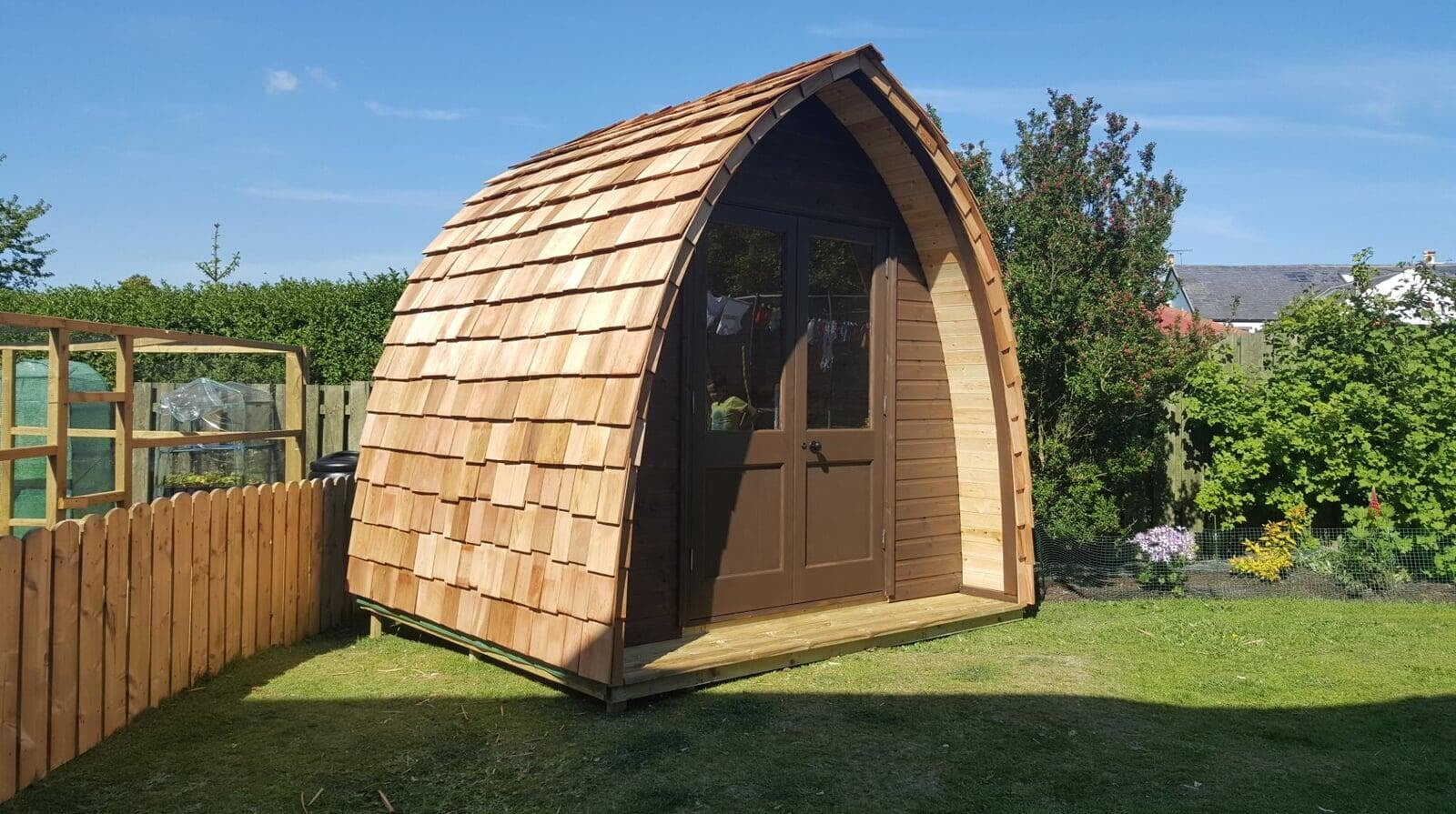
For shed roofing material with a traditional and natural appearance, consider wood shingles. Crafted from cedar, redwood, or pine, they can enhance your shed with rustic charm. Keep in mind, wood shingles may need extra maintenance and have a shorter lifespan than alternative roofing materials.
Metal Roofing
Metal Roofing
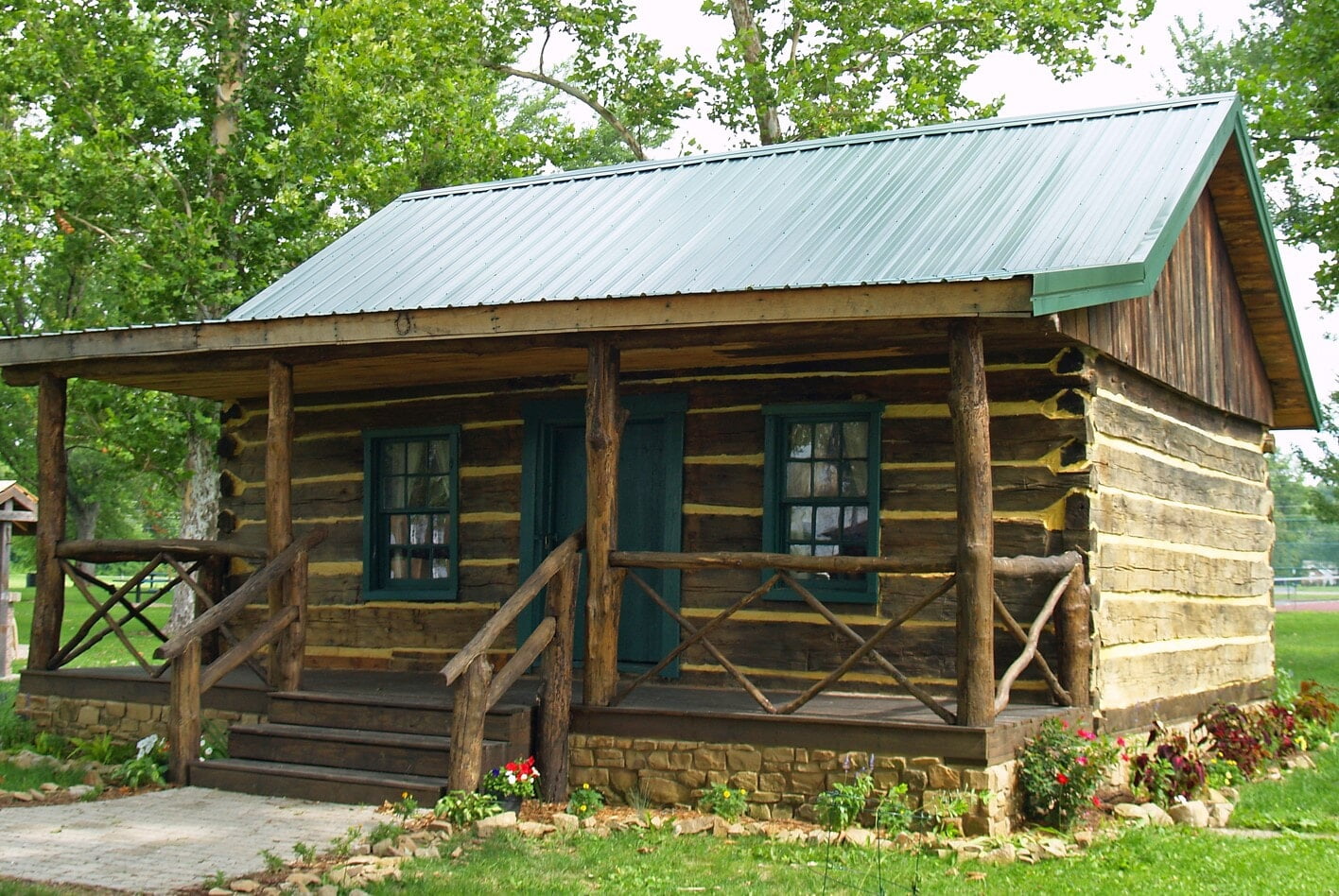
Metal roofing is a top choice for sheds, especially for those seeking durable and low-maintenance shed roofing materials. Withstanding tough weather, metal roofs are fire, rot, insect, and mold-resistant. Available in various styles and colors to match your shed's design perfectly.
EPDM Rubber Roofing Membrane
EPDM Rubber Roofing Membrane
EPDM rubber is a popular choice for flat roofs or low-sloped shed roofs because of its seamless coverage, offering durability and long-lasting protection. This material is simple to install, UV-resistant, and can withstand up to 50 years with proper maintenance.
Concrete or Clay Tiles
Concrete or Clay Tiles
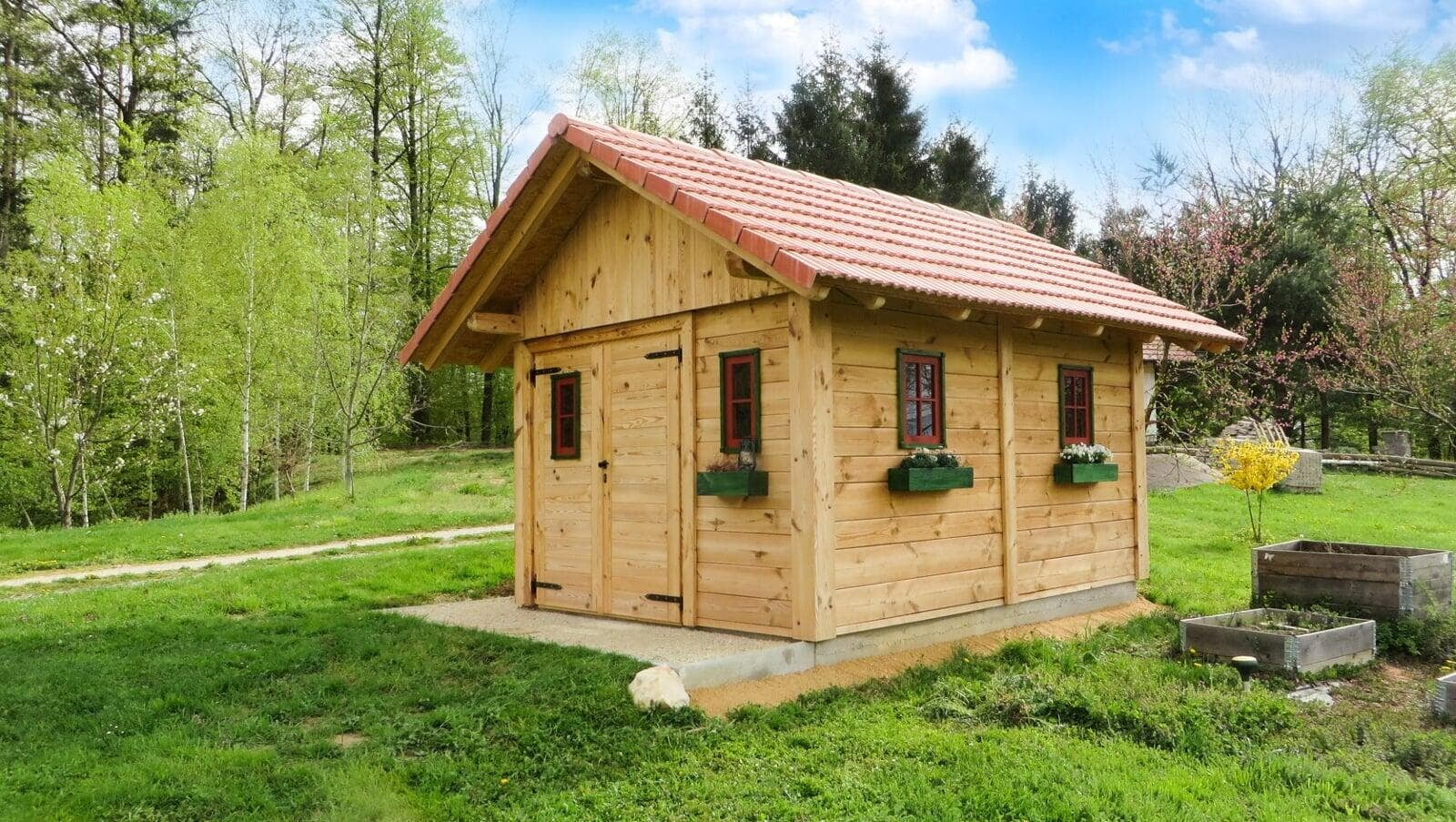
For a more elegant and upscale look, clay or concrete tiles are popular choices for shed roofing. They come in a variety of shapes, sizes, and colors, allowing you to create a unique and sophisticated design for your shed. However, these tiles can be heavy and may require additional structural support for your shed's roof.
Green Roof
Green Roof
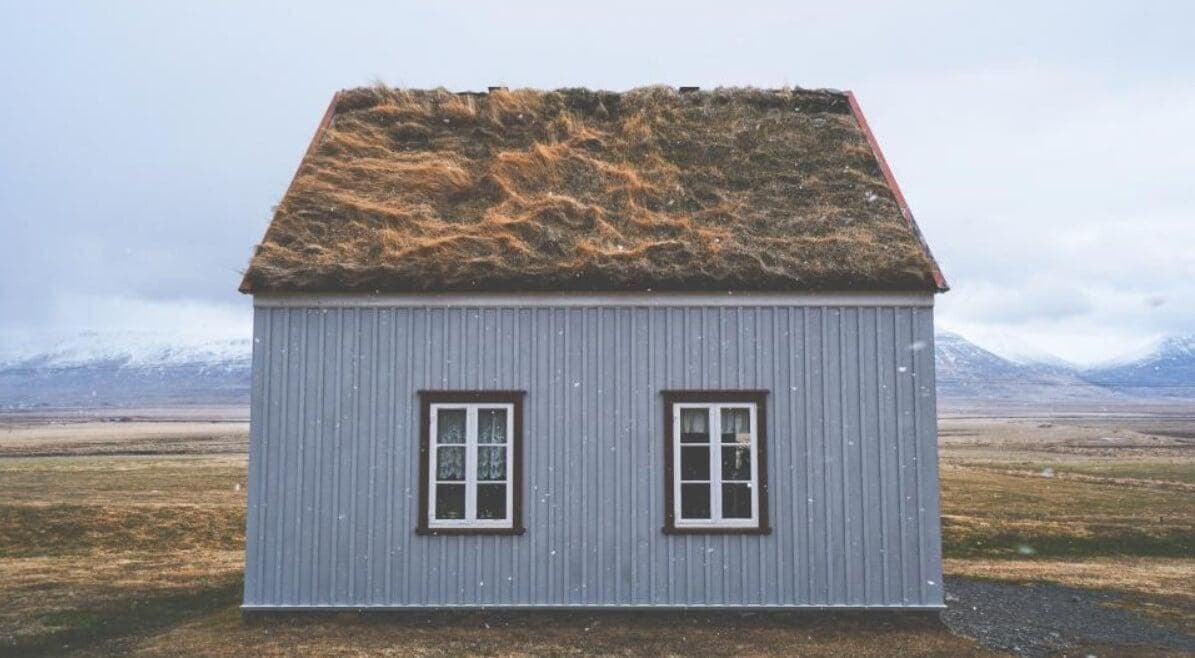
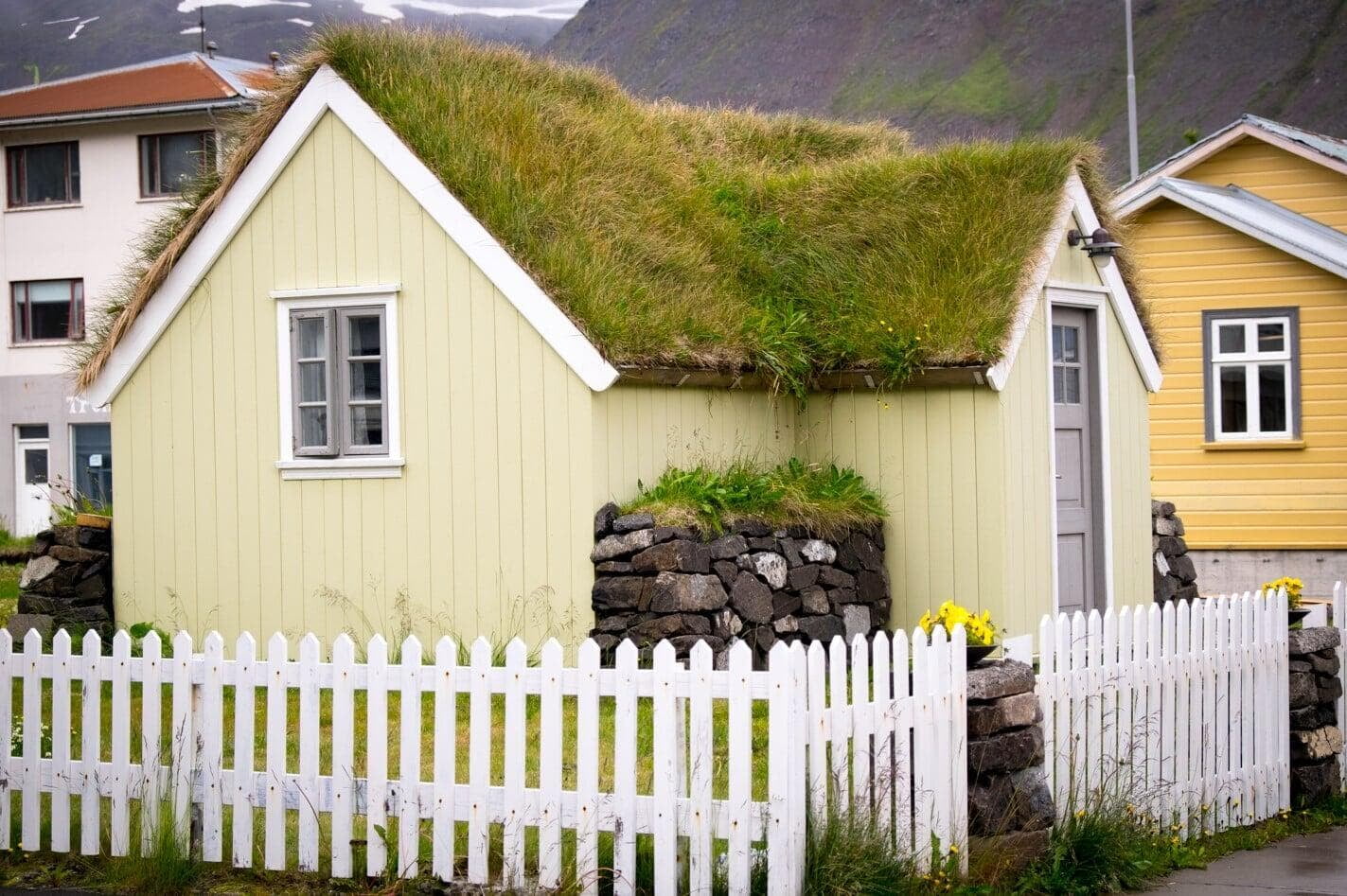
Green roof or living roof is an environmentally friendly and aesthetically pleasing option for shed roofing. It involves covering the roof with living plants, providing insulation and reducing energy costs while adding a touch of nature to your shed's appearance.
Shed Roof Felt
Shed Roof Felt
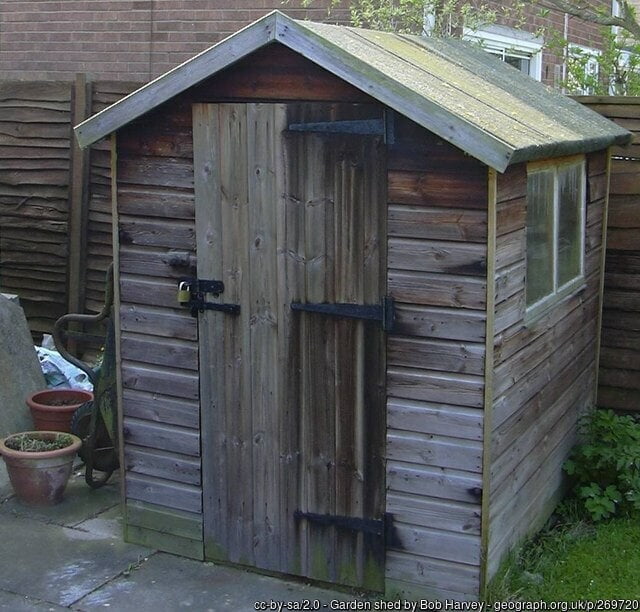
Shed roof felt, also known as roofing tar paper or underlayment, is a common choice for sheds with sloped roofs. It is made from an organic or synthetic material that provides an extra layer of protection against water and moisture. Shed roof felt can be easily installed by nailing it to the roof deck before adding the final roofing material on top.
Plastic Roof Tiles
Plastic Roof Tiles
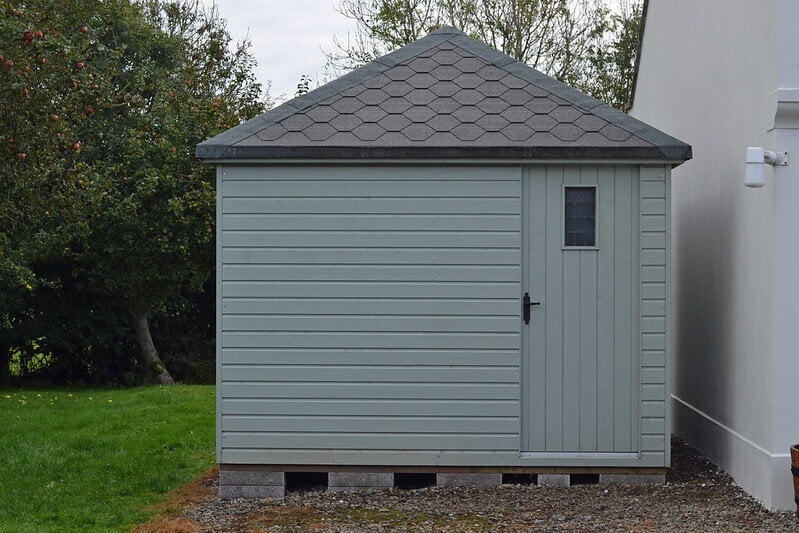
If you want a lightweight and budget-friendly option, plastic roof tiles may be the way to go. These tiles are made from recyclable materials and come in a variety of colors and styles. They are also easy to install and highly durable, making them a great choice for sheds in areas with mild weather conditions.
Bitumen
Bitumen
Bitumen, also known as asphalt or tar, is a popular choice for shed roofs due to its low cost and versatility. It comes in rolls of thick, sticky material that can be applied to the roof with a torch or adhesive. Bitumen offers good waterproofing and insulation properties, making it suitable for sheds in areas with harsh weather conditions.
Polycarbonate
Polycarbonate
Polycarbonate roofing is a lightweight and durable option for shed roofs. It is made from a thermoplastic material that offers excellent durability and UV protection. Polycarbonate roofing comes in panels or sheets that can be easily installed with screws or clips, making it a great choice for DIY shed builders.
Fiberglass Mineral Surface Roll (MSR) Shed Roofing
Fiberglass Mineral Surface Roll (MSR) Shed Roofing
Fiberglass MSR roofing is a cost-effective and straightforward choice for sheds. It consists of fiberglass mat rolls coated with asphalt and mineral granules for durability. This roofing type is lightweight, fire-resistant, and can endure for up to two decades with proper care. Rolled roofing is an affordable and DIY-friendly option for shed roofs.
What Do You Put on a Shed Roof to Make It Waterproof?
What Do You Put on a Shed Roof to Make It Waterproof?
There are a few options when it comes to waterproofing your shed roof. One popular choice is using roofing felt, also known as tar paper, which is a lightweight and affordable option for shedding roofs. It can be easily applied with staples or roofing nails and provides an extra layer of protection against water.
Key Considerations When Choosing Shed Roofing Materials
Key Considerations When Choosing Shed Roofing Materials
Weight: When choosing a roofing material for your shed, it's important to consider the weight of the material. A heavy roofing material can add stress and strain on the structure of your shed, so it's best to opt for lightweight options when possible.
Durability: The shed roof covering is subject to weather elements like rain, snow, and wind, so selecting a durable roofing material is crucial to endure these conditions and ensure lasting protection for your shed.
Cost: The cost of roofing materials can vary significantly, so it's essential to consider your budget when choosing a material for your shed roof. While some materials may be more expensive upfront, they could save you money in the long run with their durability and low maintenance needs.
Aesthetics: Your shed is an extension of your home, so it's natural to want a roofing material that complements the overall look and style of your property. Some materials, such as metal or asphalt, offer more color choices compared to others like polycarbonate.
Maintenance: Consider how much time and effort you are willing to put into maintaining your shed roof. Some materials may require more frequent cleaning or repairs, while others are virtually maintenance-free.
Installation: If you're planning on installing the shed roof yourself, it's essential to choose a material that is easy to work with and doesn't require specialized tools. On the other hand, if you plan on hiring a professional contractor, make sure they have experience working with your chosen roofing material.
Climate: The climate of your area should also play a significant role in your decision-making process. For example, if you live in an area with high winds or heavy snowfall, you may want to consider more durable roofing materials such as metal or asphalt.
Personal preferences: Ultimately, the best material for your shed roof will depend on your personal preferences and priorities. Do you value durability over aesthetics? Are you willing to invest more upfront for a low-maintenance material? Consider all of these factors before making your final decision.
Installation Essentials
Installation Essentials
What is the best thickness for shed roof?
What is the best thickness for shed roof?
The thickness of your shed roof will depend on the material you choose. Generally, thicker materials offer better durability and protection against harsh weather conditions. For example, metal roofs are typically available in different gauges (thickness), with a higher gauge providing greater strength and stability.
Can I use plywood for shed roof?
Can I use plywood for shed roof?
While plywood is commonly used as a supportive layer for shed roofs, it's essential to check compatibility with your chosen roofing material. Some materials, such as metal or asphalt shingles, may require additional layers or underlayment for proper installation and protection against water damage when used with different roofing materials.
What decking material should I use for a shed roof?
What decking material should I use for a shed roof?
When it comes to decking (the layer directly beneath the roofing material), plywood is the most commonly used material for shed roofs. Other options include oriented strand board (OSB) or tongue and groove boards, which provide a seamless surface for installing your chosen roofing material.
What is the recommended pitch for a shed?
What is the recommended pitch for a shed?
The recommended pitch for a shed roof is typically between 1:12 and 4:12. This range allows for efficient water runoff and helps prevent water pooling on the roof, ensuring proper drainage and long-term durability.
The ideal roof goes beyond aesthetics; it ensures your shed stands strong against the elements, serving you dutifully for years to come. Whether you're leaning towards the durability of metal, the natural beauty of wood, or the affordability of asphalt shingles, your decision will lay the foundation for a shed that not only looks fantastic but also meets your practical needs.
Don't hesitate to consult with professionals if you're unsure about your choice or installation process. Your shed is an investment in the functionality and beauty of your property, and as such, it deserves the best care and consideration.